
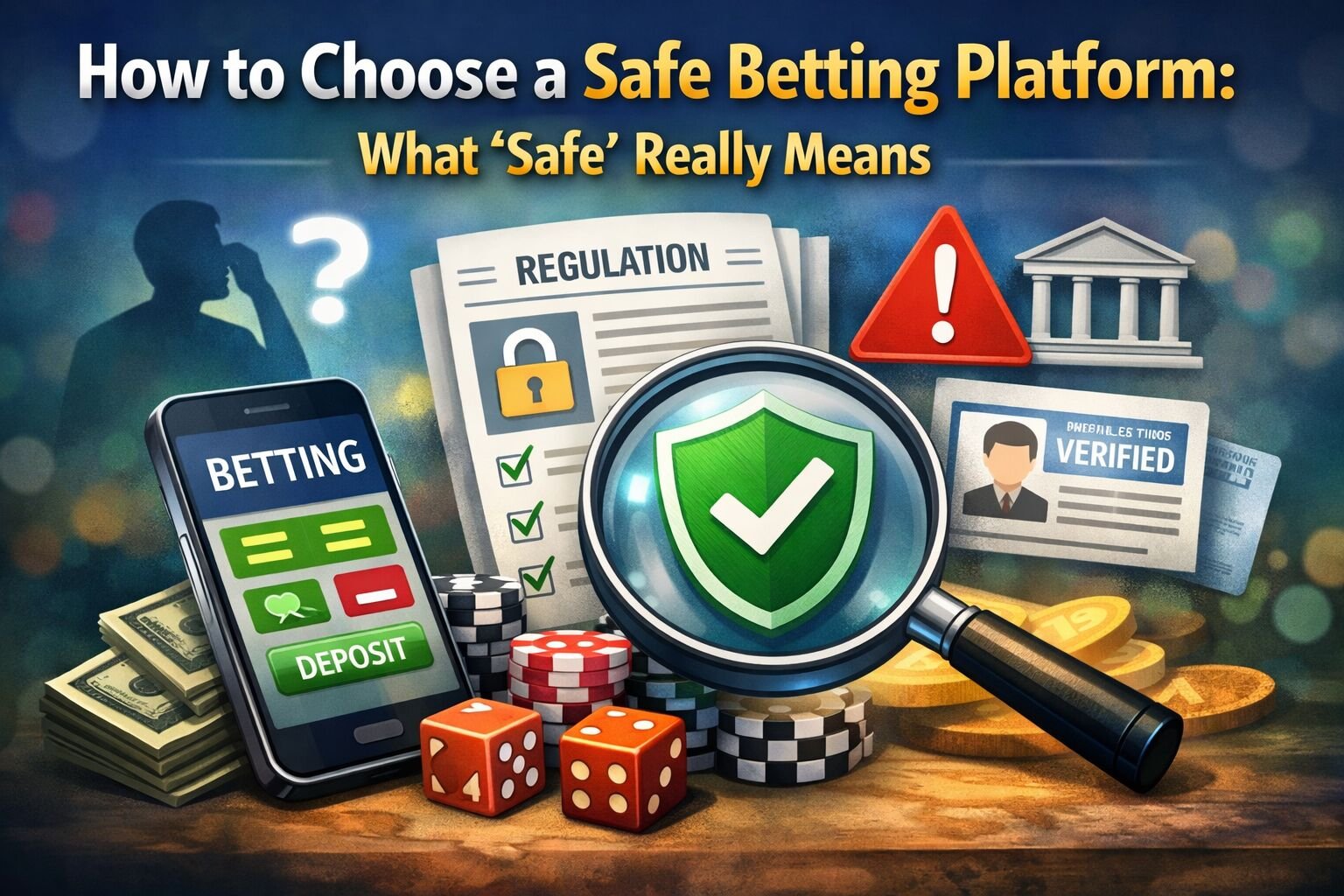
If you’re new to online betting, choosing a “safe” platform can feel confusing. Most advice focuses on licences, security badges, or popular brand names, but that rarely explains what actually happens once you deposit money.
Many problems only show up later, when a withdrawal is requested, an account is reviewed, or customer support stops giving clear answers. This guide explains what “safe” really means in practice, what to look out for early, and how to judge a betting platform before you commit any money.
What Most People Think Makes a Betting Site Safe
When people search for a safe betting platform, they usually start the same way. They click the top results on Google, assume higher rankings mean safer sites, or watch a few YouTube videos that confidently recommend certain platforms.
What’s easy to miss is that many of these rankings and videos are sponsored or affiliate-driven. The sites being promoted often meet basic requirements like licensing and security, but those endorsements rarely reflect how a platform behaves when withdrawals are requested or problems arise.
For beginners especially, this creates a false sense of confidence. A betting site can look trustworthy on Google, appear in multiple videos, and still cause issues once money is involved. Real safety isn’t about how often a platform is recommended, it’s about how it treats players when something goes wrong.
Regulation and Licensing: Helpful, but Not a Guarantee
Licensing and regulation are usually the first things people look for, and for good reason. A regulated betting platform is required to follow certain rules around player funds, identity checks, and dispute handling. That does offer a basic level of protection.
However, regulation is often misunderstood. A licence does not mean a platform will be fast, flexible, or hassle-free. It also doesn’t mean withdrawals will always be smooth or that support will side with the player when something goes wrong.
Most regulators focus on whether a platform follows set procedures, not on how convenient or frustrating those procedures feel to users. As long as the rules are applied consistently, delays, additional checks, and account reviews can still happen, even on fully licensed platforms.
For beginners, this distinction matters. Seeing a licence should be treated as a starting point, not a guarantee of a problem-free experience. Real safety depends on how a platform applies its rules in practice, especially when money is being withdrawn or accounts are reviewed.
Why Withdrawals Tell You More Than Promotions Ever Will
Bonuses, odds, and promotions are easy to advertise. Withdrawals are where a betting platform shows how it really operates.
Most players don’t encounter serious issues while depositing or placing bets. Problems usually appear when money needs to move in the opposite direction. Withdrawal requests trigger additional checks, reviews, and internal processes that aren’t visible to users at the start.
Delays don’t always mean something is wrong, but they do reveal how a platform handles risk. Extra verification, payment method restrictions, or changing timelines often surface only after a win. This is why focusing on withdrawal behaviour gives a clearer picture of safety than any promotional offer.
For beginners especially, it’s important to understand this before depositing. A platform that looks generous upfront can still become difficult to deal with when it’s time to cash out. Evaluating how withdrawals are handled, and how clearly those rules are explained, matters far more than headline bonuses or marketing claims.
Account Verification and “Account Under Review” Situations
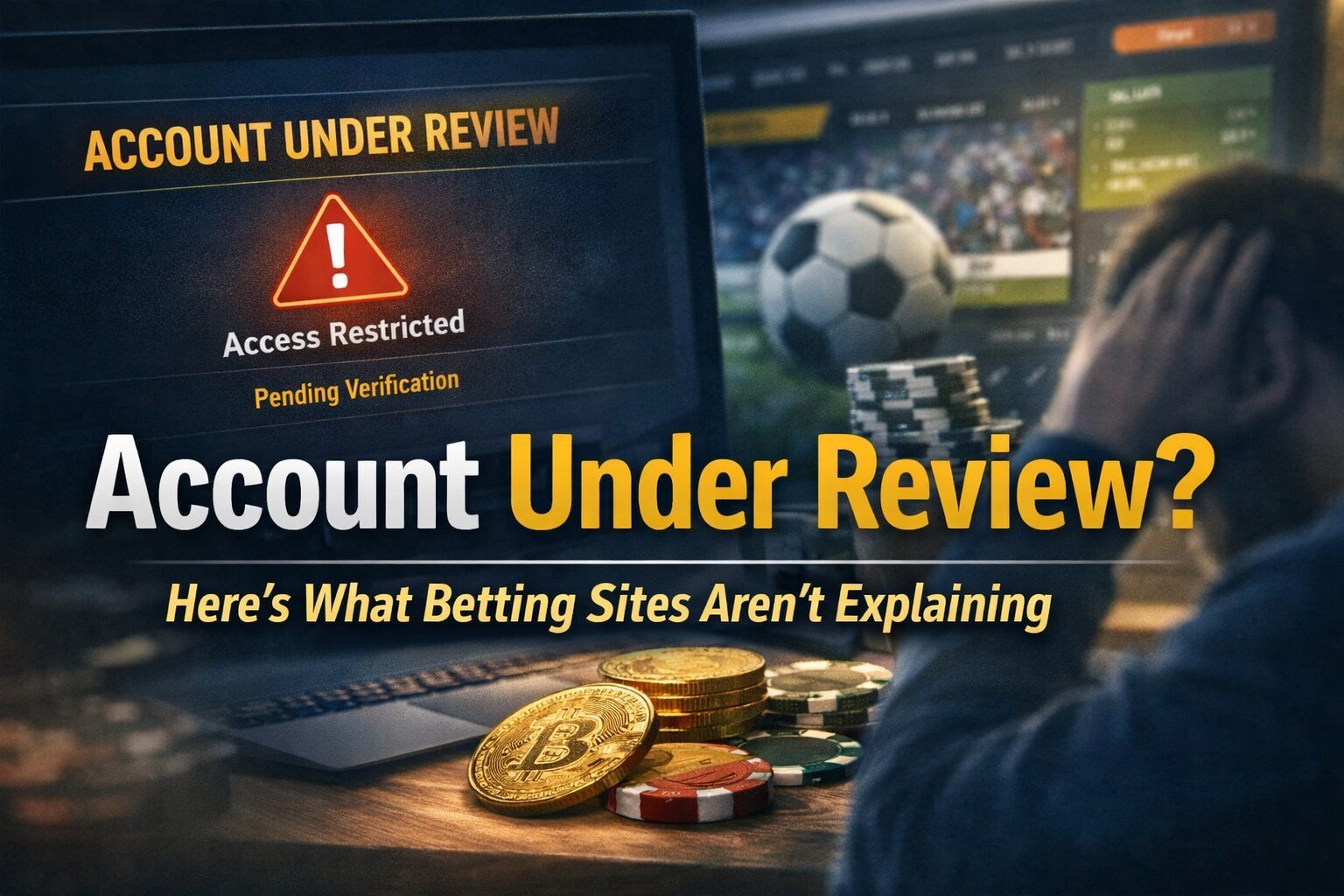
Many players are surprised when verification becomes an issue only after they’ve won or requested a withdrawal. From the platform’s side, this is usually when risk checks are triggered, not when an account is first created.
Some verification is normal. Platforms are required to confirm identity, payment ownership, and betting activity before releasing funds. Problems start when these checks are unclear, repeatedly extended, or poorly explained. This is when accounts are placed “under review” with little indication of how long the process will take or what is actually being checked.
For beginners, this can feel alarming. Communication often becomes vague, timelines change, and support may only confirm that a review is “ongoing.” Understanding that this stage exists, and recognising when it moves beyond routine verification, makes it easier to judge whether a delay is procedural or a warning sign.
The key is transparency. Platforms that clearly explain what is being reviewed and what is required from the player are generally safer to deal with than those that rely on generic updates and open-ended timelines.
Customer Support When Something Goes Wrong
Customer support often feels responsive when you’re opening an account or placing bets. Questions get answered quickly, and live chat seems readily available. That experience can change once a withdrawal is involved or an account issue appears.
At that stage, support usually isn’t making decisions anymore. Withdrawal checks, verification reviews, and payment approvals are handled by other teams. Support becomes a messenger rather than a problem-solver, which is why responses slow down and answers become less specific.
This shift is important to recognise. Slow or vague replies don’t always mean a platform is acting unfairly, but they do show how transparent the process is. Platforms that can explain what’s happening, even if a review takes time, are generally safer to deal with than those that rely on scripted responses or repeated reassurances without detail.
For beginners, this is often the first moment they realise how much control a platform has once money is locked in. Paying attention to how support communicates during problems tells you far more about safety than how friendly they are before any issues arise.
The Terms That Actually Matter
Most people don’t read full terms and conditions, and that’s understandable. They’re long, technical, and written in a way that’s hard to follow. The problem isn’t skipping them entirely, it’s not knowing which parts matter most.
In practice, only a few sections tend to cause real issues. Withdrawal conditions, verification requirements, payment method rules, and limits tied to bonuses are where most disputes begin. These details often explain when a platform can delay payments, request extra documents, or restrict access to funds.
For beginners, the key is not to read everything, but to skim with purpose. Look for anything that explains when withdrawals can be paused, how long reviews may take, and whether certain bonuses affect payout rights. Platforms that clearly outline these points upfront are usually easier to deal with later.
If important conditions are vague, scattered, or hard to find, that’s often a sign that problems may arise once money is involved.
Warning Signs to Notice Before You Deposit
Most serious problems don’t start suddenly. There are usually small signs early on that are easy to ignore, especially for beginners.
One common warning sign is vagueness. If withdrawal timelines aren’t clearly explained, if verification rules are scattered across multiple pages, or if support gives generic answers before you’ve even deposited, that lack of clarity tends to continue later. What feels like a minor annoyance early on often becomes a bigger issue once money is involved.
Another sign is pressure. Aggressive bonuses, repeated prompts to deposit more, or language that pushes urgency can all distract from the practical details that actually matter. Platforms that focus heavily on promotions but are quiet about withdrawals and limits are often prioritising activity over transparency.
Pay attention to how comfortable you feel asking basic questions. If getting clear answers already feels difficult, that experience rarely improves during a dispute. Pausing at this stage is often the safest decision a player can make.
When comparing betting platforms, the safer choice is usually the one that sets clear expectations rather than making bold promises. Platforms that explain withdrawals upfront, outline verification steps in plain language, and communicate openly when issues arise are generally easier to deal with than those that rely on popularity, rankings, or promotional claims.
If a platform is unclear before you deposit, that same lack of clarity often shows up later, when money is locked in and options are limited.

When Online Betting Is a Bad Idea, Regardless of the Platform
Even the most well-known or regulated betting platforms can create problems in the wrong circumstances. Safety isn’t just about the site itself, it’s also about the situation the player is in.
If betting feels like a way to recover losses, relieve financial pressure, or escape stress, the risk increases quickly. Platforms are built to encourage ongoing activity, and that can make it harder to stop or reassess decisions once money is involved. In these situations, delays, reviews, or limits can feel far more damaging than they would otherwise.
Betting can also become problematic when someone is uncomfortable with uncertainty. Withdrawals don’t always follow exact timelines, and verification checks can take longer than expected. If waiting for access to funds causes anxiety or frustration, online betting may not be a good fit, even on platforms that follow the rules.
Recognising these limits early isn’t a failure, it’s part of making an informed choice. For some people, the safest option is stepping away entirely rather than trying to find a “better” platform.
If betting starts to feel stressful or difficult to control, independent organisations like GambleAware offer clear information and support for safer gambling decisions.
How BetBuzz24 Looks at Platform Safety
BetBuzz24 does not rank betting platforms or promote specific sites in guides like this. Our focus is on explaining how platforms operate in real situations, especially when money is being withdrawn, accounts are reviewed, or disputes arise.
When we evaluate platform safety, we look at how clearly rules are explained, how consistently they’re applied, and how transparent communication is when problems occur. This includes reviewing withdrawal behaviour, verification processes, support responses, and how terms are enforced in practice, not just how they’re written.
This approach is meant to help readers understand what to expect before committing money, rather than pushing them toward a particular choice. You can read more about how reviews are handled and updated on our review methodology page.
Final Thoughts
There is no such thing as a completely risk-free betting platform. Licences, branding, and recommendations can offer reassurance, but they don’t remove the practical issues that often appear once money is involved.
Choosing more carefully starts with understanding where problems tend to arise and recognising warning signs early. For many readers, the safest decision is not finding the “best” platform, but knowing when to pause, ask questions, or step away altogether.
Making informed choices upfront is far easier than dealing with avoidable issues later.