
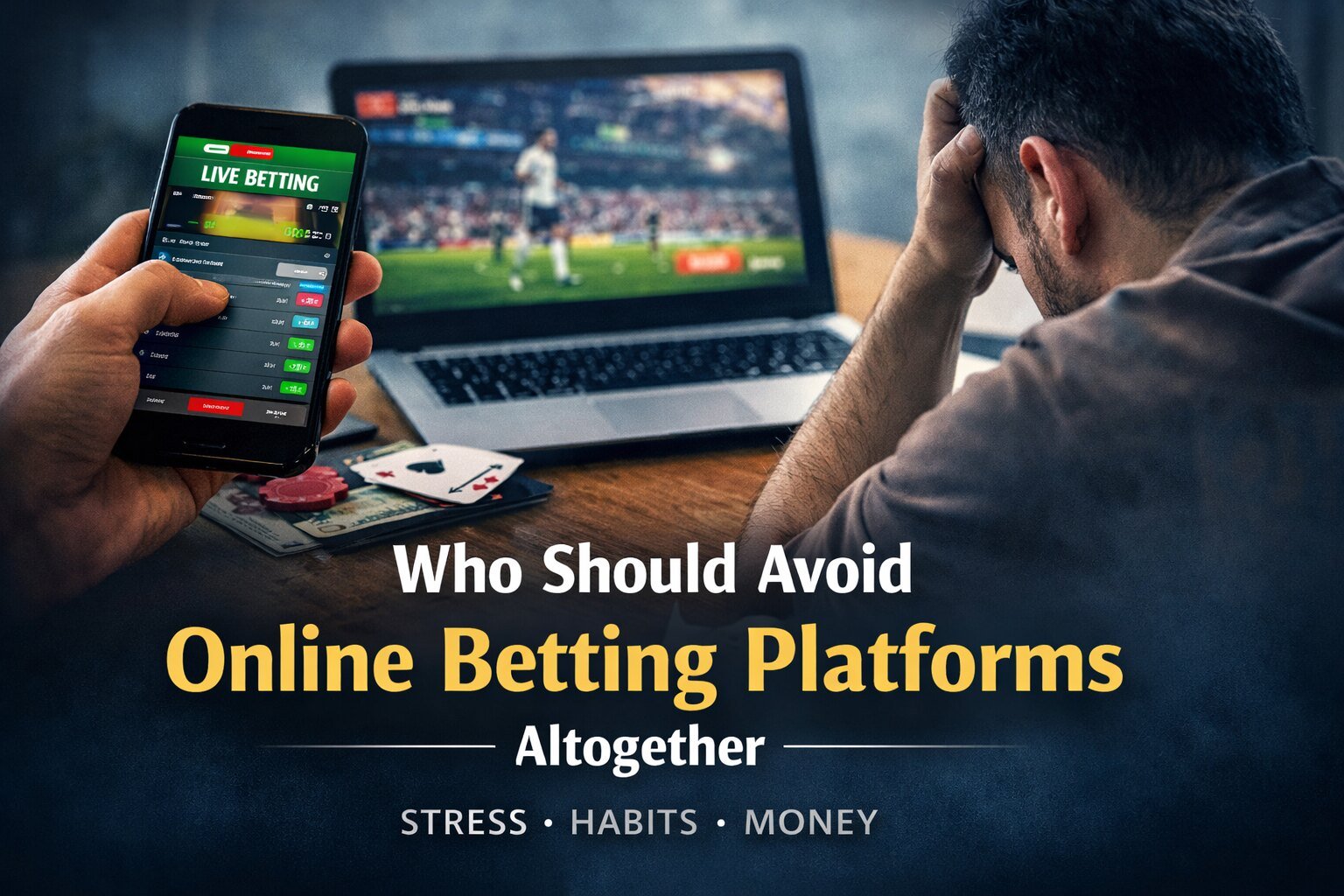
Online betting has become easy to fit into everyday life, especially as online gambling has moved almost entirely onto mobile platforms. It lives on the same phone as work emails, banking apps, and live sports. For some people, it stays a casual form of entertainment. For others, it slowly starts to take up more space than it should.
This isn’t about saying online betting is good or bad. It’s about recognising that it doesn’t suit everyone, especially when it begins to affect mood, money, or attention in ways that aren’t obvious at first.
If betting feels heavier than it used to, more distracting than enjoyable, or harder to step away from, it may simply not be a good fit right now. Knowing when to avoid it altogether can be a practical, healthy decision, not a dramatic one.
If Betting Becomes Part Of Your Daily Routine
Online betting often slips into daily life without much notice. It starts small. Checking odds during a break. Placing a quick bet while watching a match. Opening the app out of habit rather than intention.
Over time, it can become something you do automatically. Not because you planned to, but because it’s there. On the same screen as messages, news, and sports scores. Easy to access, easy to repeat.
When betting turns into a routine, it stops being a conscious choice. It becomes another background habit, like scrolling or checking notifications. That’s usually when it starts taking more attention than it gives back.
If you find yourself betting without really thinking about why, or doing it simply because it feels normal now, that’s a sign it may no longer be serving a positive role in your day.
This stress can increase when winnings are delayed or reviewed, which is often why betting sites ask for verification after you win.
If Betting Feels Like Relief After Stressful Days
For many people, online betting starts to feel appealing during stressful periods. Long workdays, financial pressure, or constant mental fatigue can make anything that offers distraction feel comforting.
At first, betting can seem like a way to switch off. A few minutes focused on odds or a live match can take your mind away from everything else. The problem is when betting becomes something you reach for to escape stress, rather than something you enjoy on its own.
When relief becomes the main reason to bet, the stakes feel higher emotionally. Wins feel like a release. Losses feel heavier than they should. Over time, this can tie stress and betting together in ways that are hard to separate.
If betting starts to feel like a coping tool rather than entertainment, it may be doing more harm than good, even if the amounts involved seem small.
Delays can feel even heavier during stressful periods, especially when players expect quick access to funds and then realise fast payout casinos can still take time.
If You Think Of Betting As A Way To Make Money
Online culture often blurs the line between betting and earning. Social media is full of “smart picks”, winning screenshots, and people talking about betting like it’s a side hustle.
The reality is different. Betting isn’t designed to provide steady returns. Even when you win, results are unpredictable, and losses are part of the system. When you start expecting betting to generate income, every loss feels personal and every win feels like pressure to repeat it.
This mindset shifts how betting feels. It stops being optional or enjoyable and starts to feel like work. Stress replaces excitement, and the urge to recover losses grows stronger.
If betting feels less like entertainment and more like a way to cover expenses or improve your finances, it’s usually a sign that stepping away would be healthier than trying to make it work.
If Losses Stay With You Longer Than Wins
Wins tend to pass quickly. You enjoy the moment, then move on. Losses often do the opposite. They linger. You replay decisions, think about what you should have done differently, or check results again even though the game is already over.
When losses stick in your head longer than wins, betting starts to create mental noise. It takes up space during work, conversations, or downtime when it shouldn’t.
This isn’t about how often you lose. It’s about how much attention losses demand afterward. If a bad result stays with you longer than the enjoyment of a good one, betting may be costing more mentally than it’s giving back.
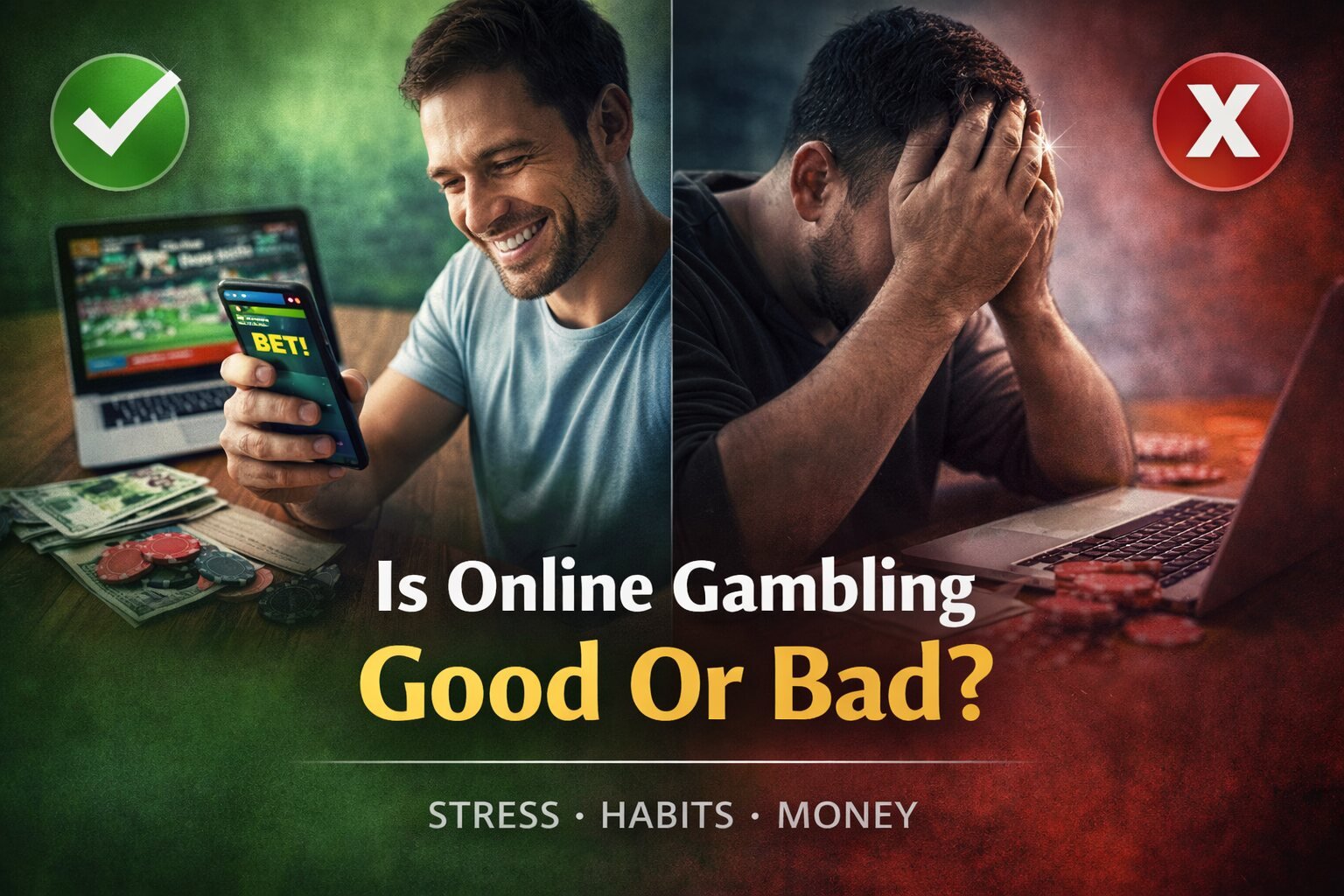
If Betting Changes How You Think About Money
Online betting can quietly shift how you relate to money. You might start checking your balance more often, mentally setting aside cash for bets, or feeling uneasy as payday approaches.
Money that once felt neutral starts to feel tied to outcomes. Wins feel like relief. Losses feel like mistakes that need fixing. Over time, this can blur the line between money meant for everyday life and money used for betting.
If betting starts to affect how secure or relaxed you feel about your finances, even when the amounts aren’t large, it’s worth paying attention. That change in mindset often matters more than the numbers themselves.
For many players, this shift in mindset shows up alongside other common betting payment problems, especially when deposits, withdrawals, and balances start to feel stressful.
If You Hide Your Betting Because It’s Easier Than Explaining
Sometimes people don’t hide betting because they think it’s wrong, but because explaining it feels uncomfortable. You might avoid mentioning how often you play, close the app when someone walks by, or keep betting activity to yourself because it’s simpler that way.
This kind of quiet avoidance is usually a sign of unease, not guilt. It suggests that betting no longer feels fully aligned with how you want to live or be seen.
When something needs to be hidden to stay comfortable, it’s often worth asking why. If betting creates that tension, stepping away can feel more relieving than continuing to justify it, even silently.
If Stopping Feels Uncomfortable Even When Nothing’s Happening
Sometimes the issue isn’t how much you bet, but how it feels when you don’t. You might reach for your phone out of habit, feel restless during a game if you don’t have something riding on it, or feel slightly bored when there’s no bet placed.
This isn’t about craving money or chasing wins. It’s about stimulation. Online betting offers constant movement, updates, and small bursts of anticipation. When that becomes the default, quiet moments can feel empty or uncomfortable.
If being away from betting feels harder than being engaged with it, that’s a sign it may be taking up more mental space than you realise.
If Betting Changes How You Enjoy Sports
Online betting can slowly change what you pay attention to during a game. Instead of watching the flow of play, you start tracking odds, scorelines, and outcomes tied to your bets.
Moments that should feel exciting can turn tense. A match becomes stressful instead of enjoyable. You may find yourself irritated by results that don’t go your way, even if the game itself was good.
When betting starts to take more from sports than it adds, it changes the experience in a way that’s easy to overlook. If watching a game feels better without a bet than with one, that’s a strong signal that stepping back could restore the enjoyment that was there before.
Why Avoiding Online Betting Can Improve Quality Of Life
Stepping away from online betting often brings small changes that add up quickly. There’s less emotional swing tied to results you can’t control. Less background stress about money, timing, or outcomes. Fewer moments where attention is pulled away without you realising why.
Without betting in the background, sports can feel lighter again. Finances feel more predictable. Your phone stops being a constant source of anticipation or tension.
Avoiding online betting isn’t about giving something up. For many people, it’s about getting back a sense of calm, focus, and control that had slowly faded without being noticed.
If You’re Unsure, Stepping Away Is A Valid Decision
You don’t need a big reason to pause. You don’t need to prove anything to yourself or anyone else. Sometimes the clearest decision is simply to step back and see how it feels.
Taking a break can create distance from habits that formed quietly. It gives you space to notice what improves and what doesn’t when betting isn’t part of your routine.
If life feels lighter, calmer, or more focused without betting in the background, that information matters. And if nothing changes, you’ve still lost nothing by taking time away.
Closing Thought
Online betting isn’t designed to fit every lifestyle. For some people, avoiding it altogether leads to less stress, clearer thinking, and a healthier relationship with money and attention.
Recognising that early isn’t a weakness. It’s awareness.